The Copper Conversation – how Hornady is changing the narrative
5 min read • 23 July, 2026For lots of hunters, copper bullets were once something you only thought about if regulations left you with no other choice. Now, that picture is changing. In this article, hunter and outdoor writer Andi Bogard shares how planning for a California hog hunt challenged her own assumptions about copper ammunition, before exploring the technology behind Hornady's CX and MonoFlex bullets and why more hunters are choosing copper for its performance, not just because they have to.
If you spend your weekends chasing waterfowl, you’re already very familiar with the necessity of finding lead alternatives. For the rest of the hunting population, it’s a slightly more foreign concept. Up until a few years ago, unless you were pursuing critters in a lead-restricted region, going copper wasn’t even on the radar for the majority of hunters. Bullet options were sparse and assembled ammunition even more so.
Thanks to Hornady, that narrative is changing. My first experience with copper bullets came about by accident a few years back in a spectacular episode of poor planning on my part. In my home state of Michigan, I was cheerily prepping for a hog hunt in California. I had my rifle system dialed in and ready to go with my 143-grain Hornady ELD-X ammo and felt confident to engage a critter to about 600 yards.
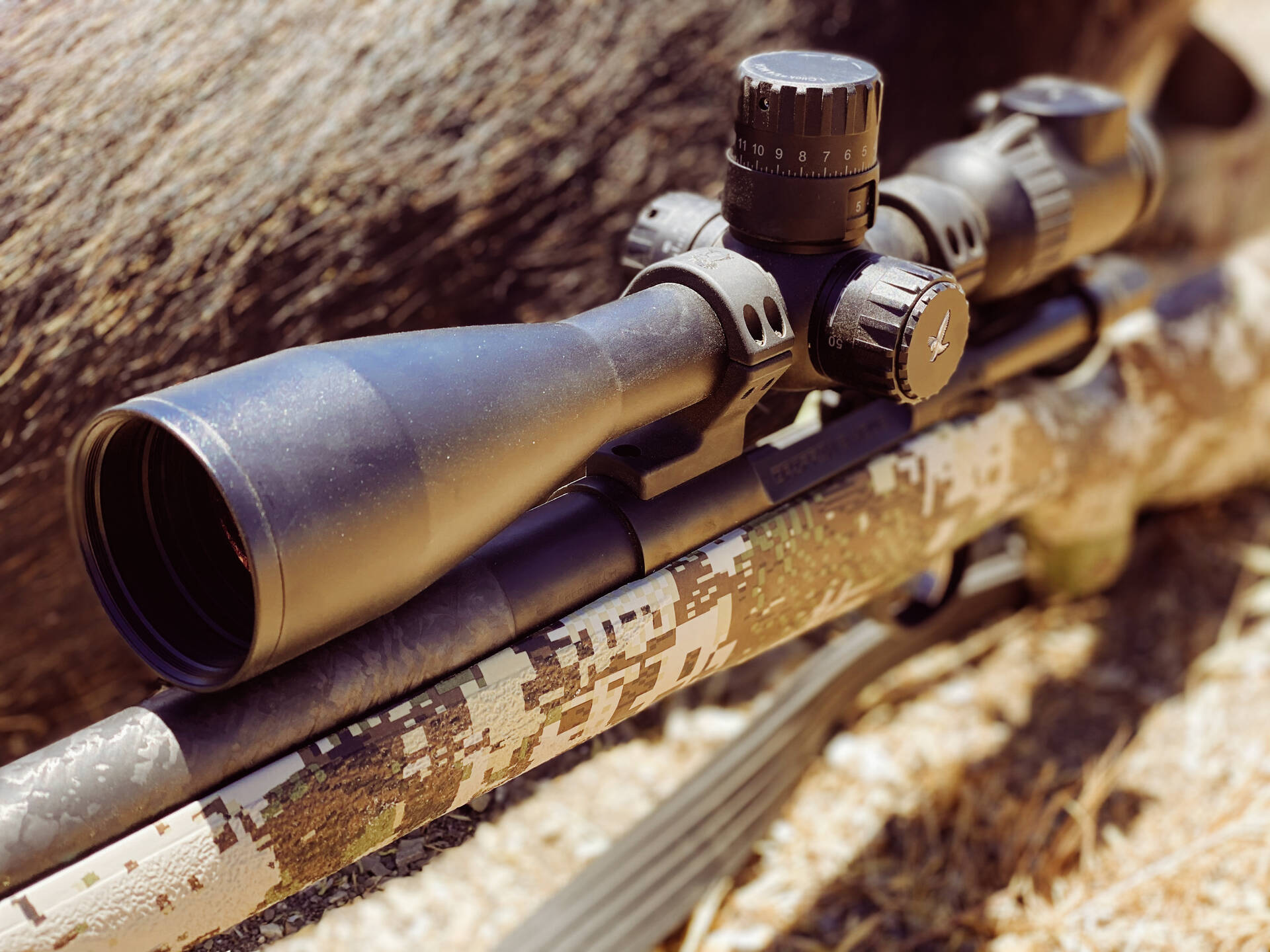
About two weeks before the trip, I’m going through my gear, and it belatedly dawned on me that I cannot in fact hunt in California with my existing ammo flavor… With post-Covid supply chain issues and assorted other worldwide dysfunction, I was in a frantic panic to find a bullet I could legally take on the hunt. Oh, and I had to make sure it would shoot…
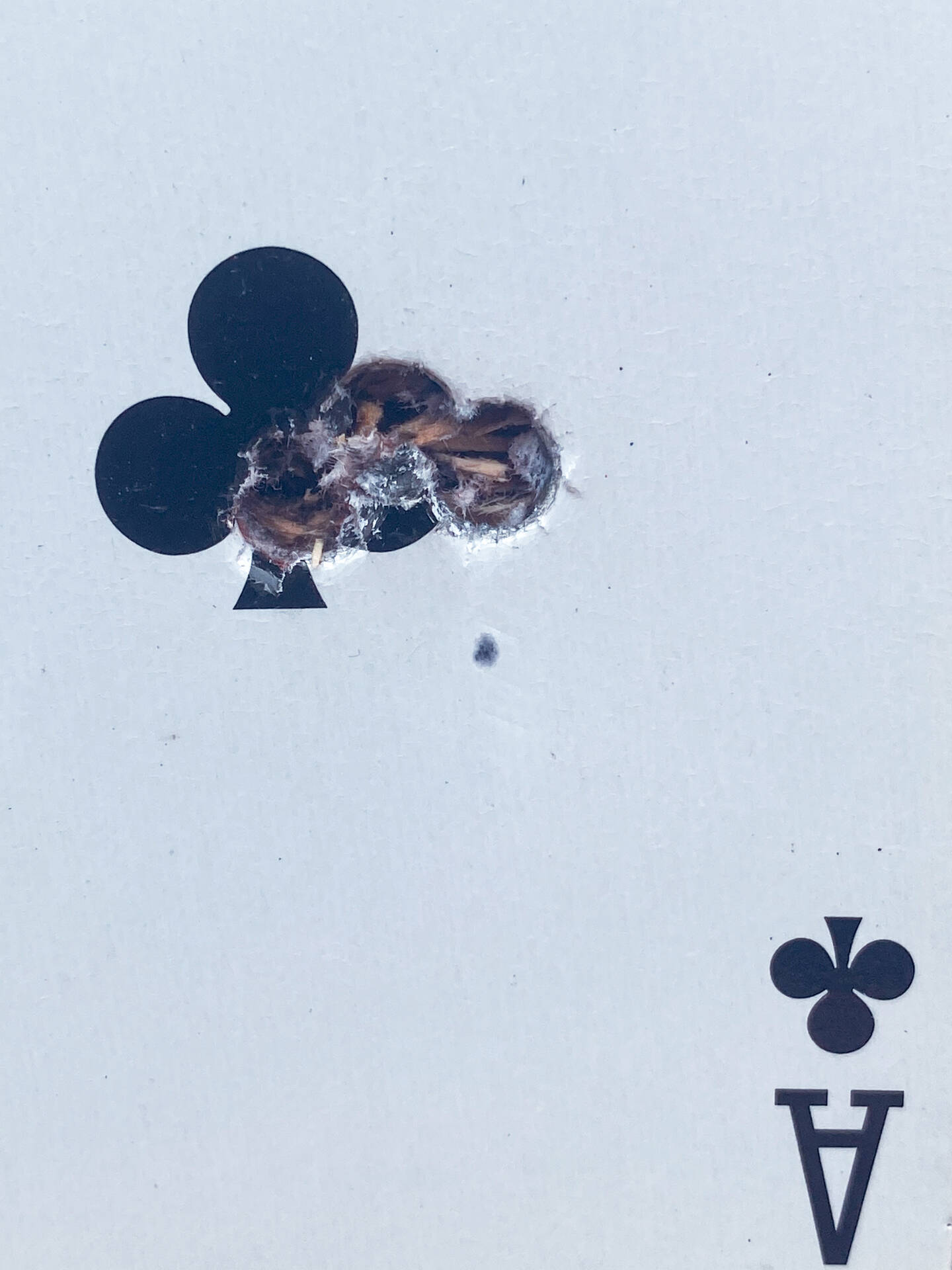
Not having a reloader of my own at the time, I found a suitable bullet, enlisted help and had a functional load three days before take-off. Mentally, this was a tough concept. The load shot well on paper, and I felt completely confident from an accuracy standpoint. However, I had no experience with downrange effects on game. This was first and foremost in my mind going into the hunt – would a properly placed shot with my new shiny copper bullet have the same terminal effectiveness of the bullets I was accustomed to using?
There was only one way to find out. On day two, my opportunity came. While glassing, a boar was spotted several hundred yards out. He was coming toward us at a dead run along a game trail. I set up and settled the fore end into a tripod. My guide quietly called distance as the boar continued his determined trek toward us.
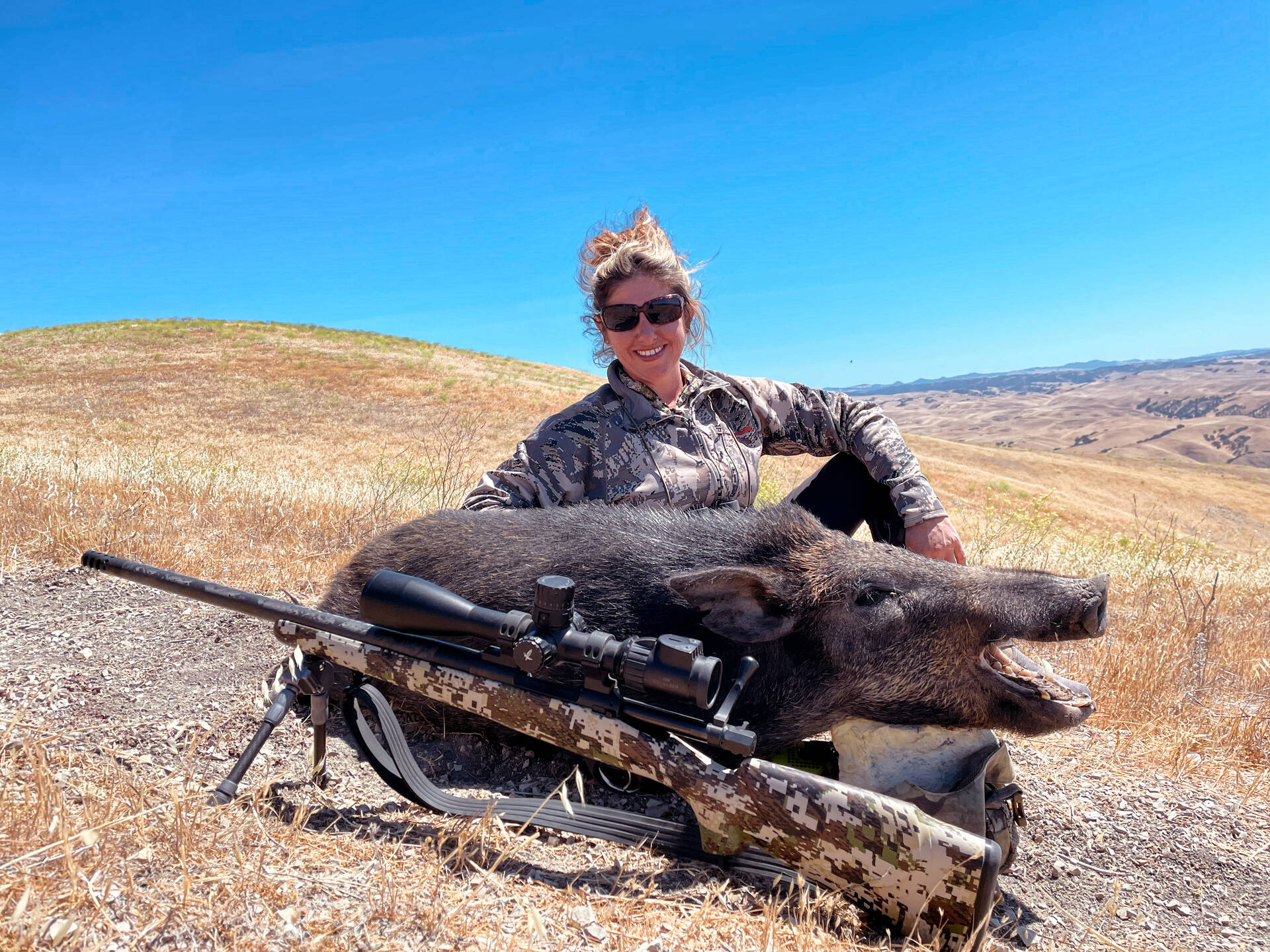
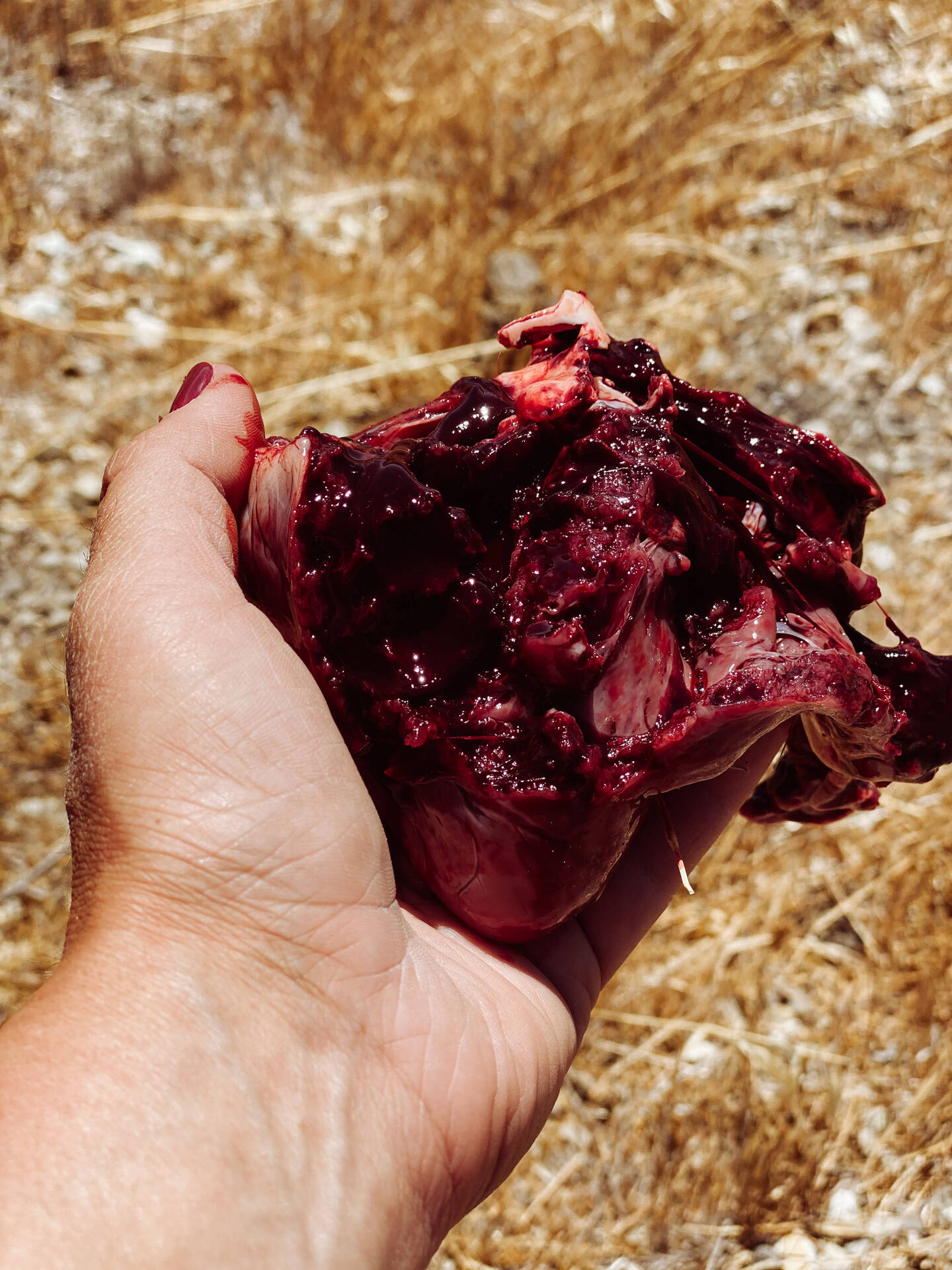
As the boar closed the distance, it became evident that stopping was not on his immediate itinerary. Leaning into years of sporting clays shooting, I took a smooth line through the heart and squeezed. The 130-yard shot instantly dropped the boar.
Now came the moment of truth. How well had the copper done its job? Upon field dressing, we got to the heart of the matter. And the effects were catastrophic. Any concern about bullet performance was resolved – and converted to bacon!
So, what makes copper so effective?
There are a few reasons that copper is becoming a more highly sought after option by choice – not regional regulation necessity.
First off is penetration. Copper bullets, unlike many lead offerings, are a solid projectile with no jackets, parts or pieces. This means no fragmentation or separation upon impact. As such, they retain all their mass delivering a full energy compliment to the target.
Along those lines, we get into the oft argued concept of shot placement. In a perfect world, each shot would land delicately in the midst of the vitals, threading its way around ribs, shoulder blades and assorted anatomy for a quick, no-track kill. As most of us know, that doesn’t always happen. Field variables and flawed shots occur, no matter how much we prepare, plan and practice.
When that happens, copper bullets can have an edge over traditional lead core offerings. Things like shoulders, ribs and non-soft tissue impacts can be more effectively engaged with todays’ copper constructs.
As a hunter, the goal is the quick, effective death of the animal down range. Energy delivery is crucial to this objective. As discussed, copper delivers energy through enhanced penetration over lead core bullets. However, penetration alone doesn’t close the energy loop. Controlled expansion is key. Through various engineering methods, tip modifications facilitate carefully controlled expansion of the solid copper projectile leading to catastrophic wound channels.
The final pillar in the copper conversation is the bullet weight balance. In a time when “heavy for caliber” is a commonly bandied about buzz phrase, copper goes the other way.
Copper is lighter than lead. Therefore, a copper bullet of identical weight to a lead bullet of the same caliber would be too long in most cases to effectively chamber in the majority of firearms. Copper bullets are constructed “lighter for caliber” leading to increased velocity and the same or better penetration downrange as traditional lead core constructs.
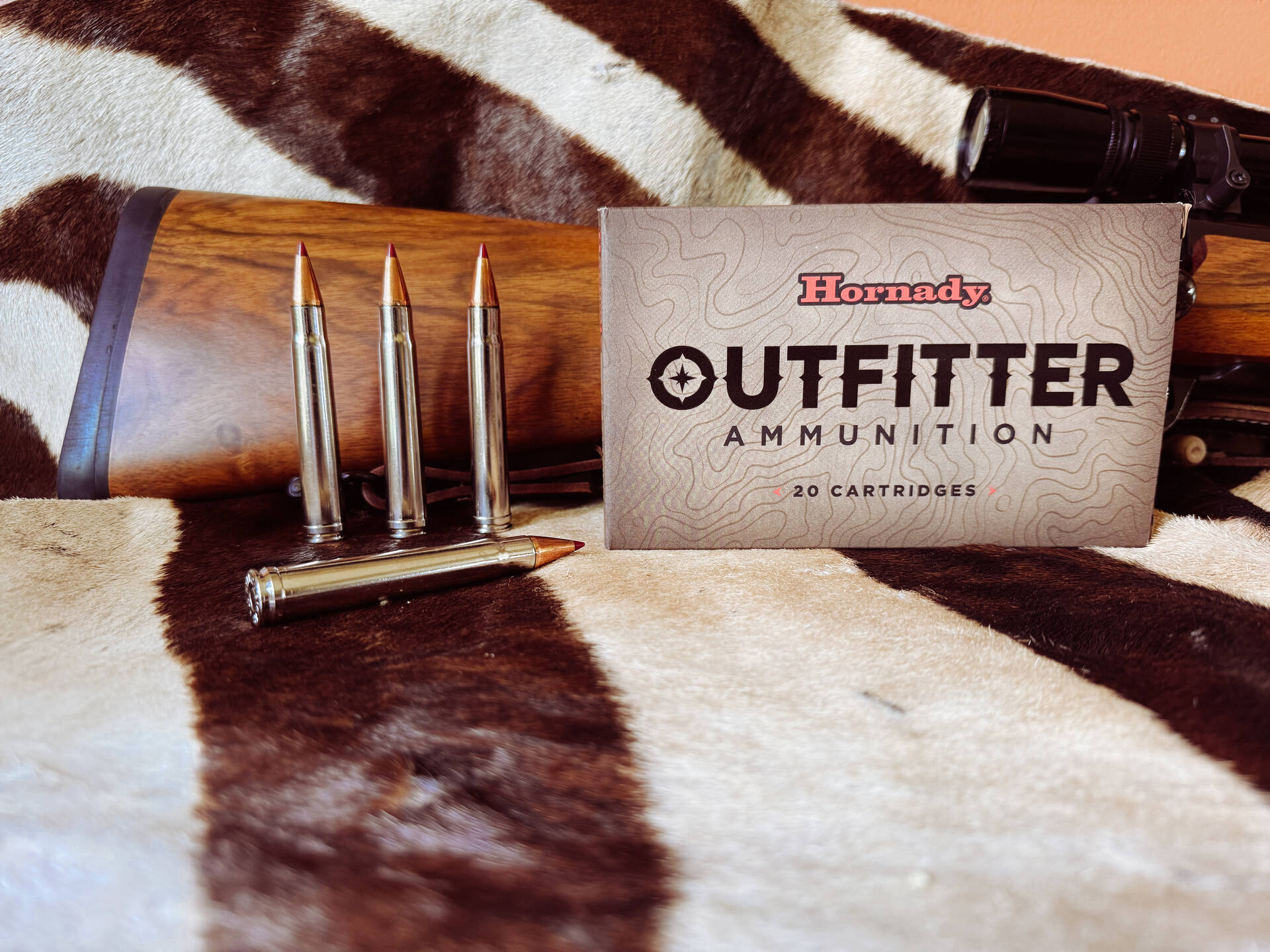
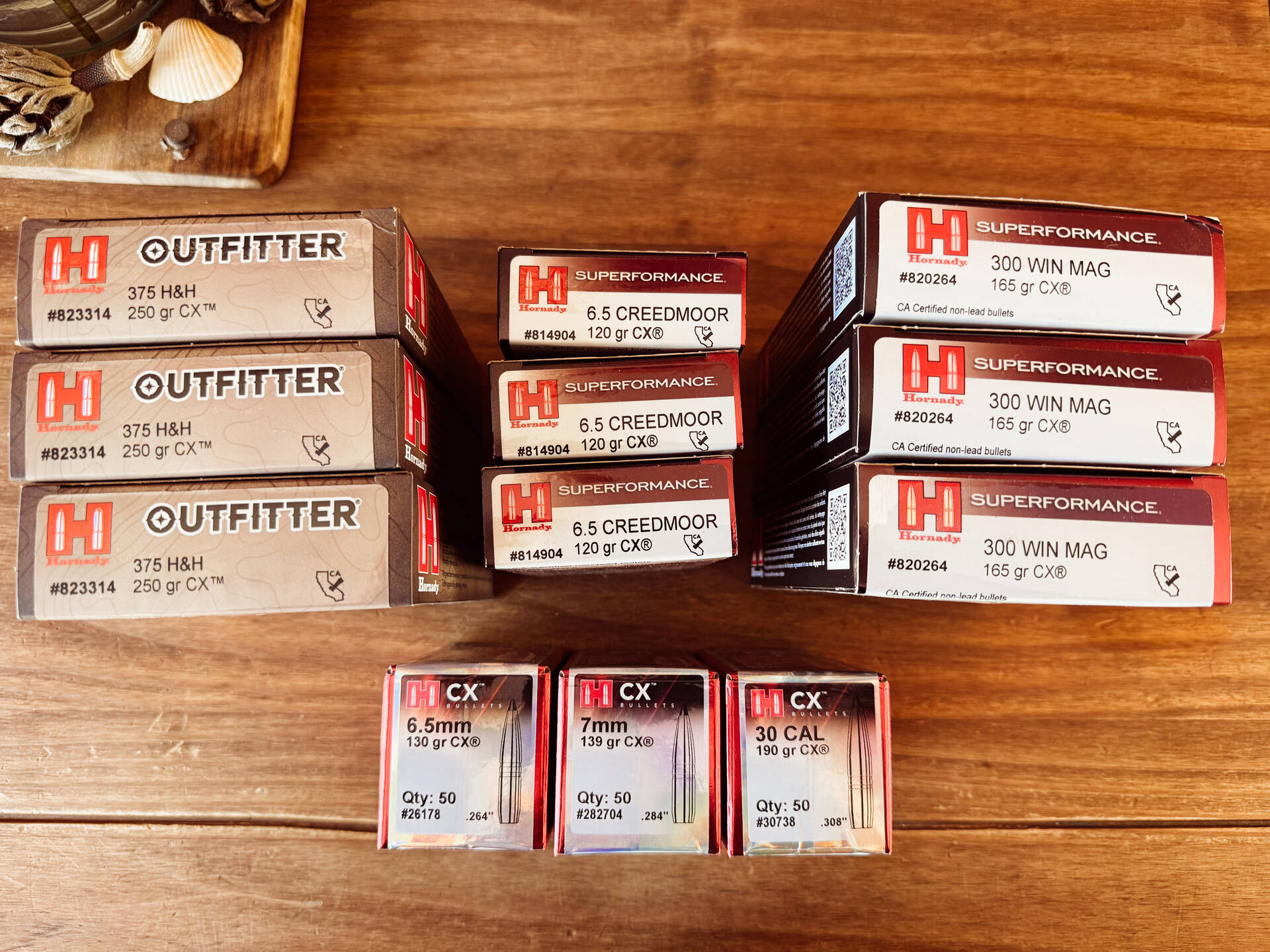
Today, Hornady is at the forefront of assembled ammunition utilizing copper projectiles. They solve the expansion issue through the CX and MonoFlex lines. These are offered in a variety of calibers – all the way up to Africa appropriate chamberings.
From varmints, elk and whitetails in the US to the Big 5 on the Dark Continent, Hornady has a copper solution for the hunt. Are you ready to join the copper conversation?