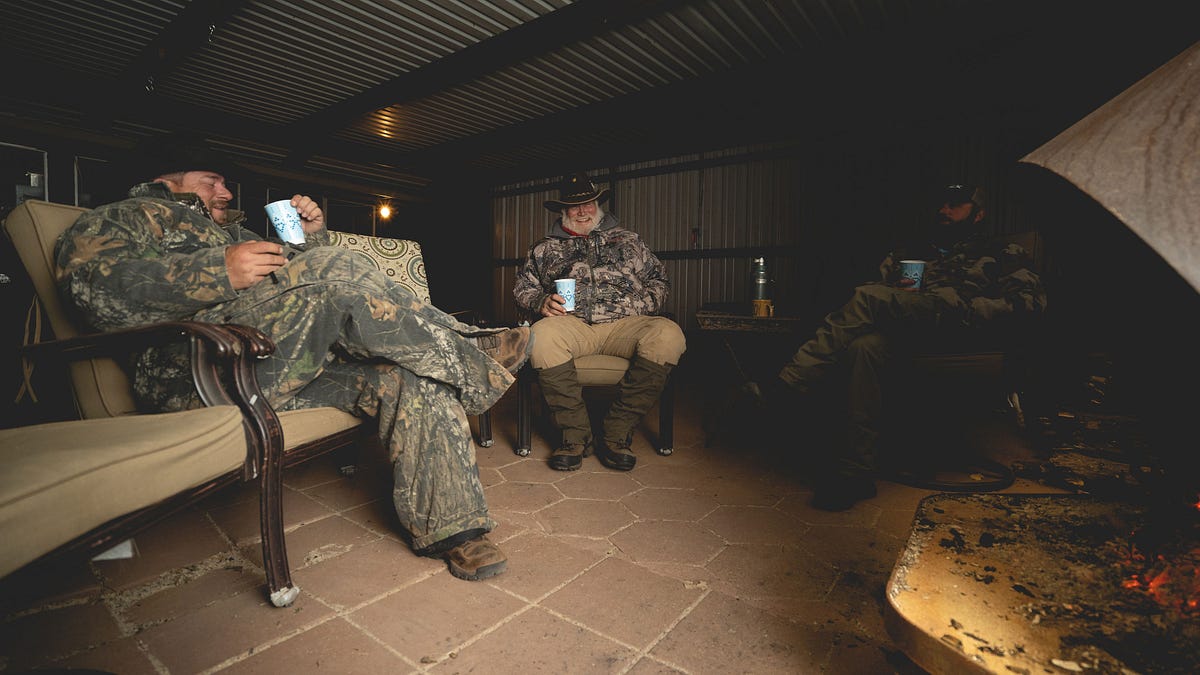
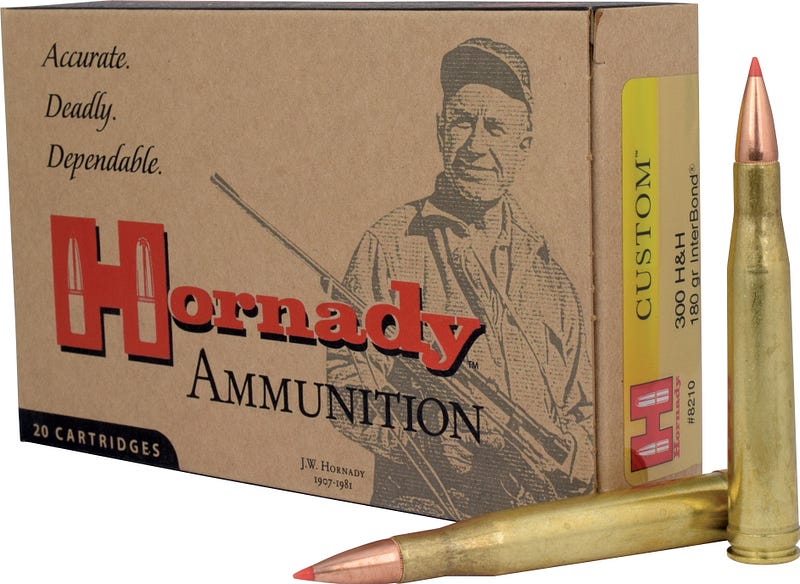
Chilling winds prevailed, blowing the predawn campfire’s flame sideways. At least another hour remained before November’s darkness would grudgingly yield to the approaching light of day. Standing next to the fire I reached over, grabbed my Ruger №1 300 H&H Mag, topped with a Trijicon scope, and placed four more Hornady rounds in the pocket of the cheek piece. Then leaned it against the wood pile.
I grabbed another chunk of mesquite wood and dropped it onto the fire, sending skyward a myriad of glowing embers, like prayers offered to the great God above asking for another successful day afield. Behind me in the darkness I heard the shambling of boots. Without turning to face the interloper, “Coffee will be ready in a couple of minutes. Grab a cup if you’re so inclined, I’ll pour it as soon as I settle the grounds.” No answer came other than an imperceptible grumbled grunt.
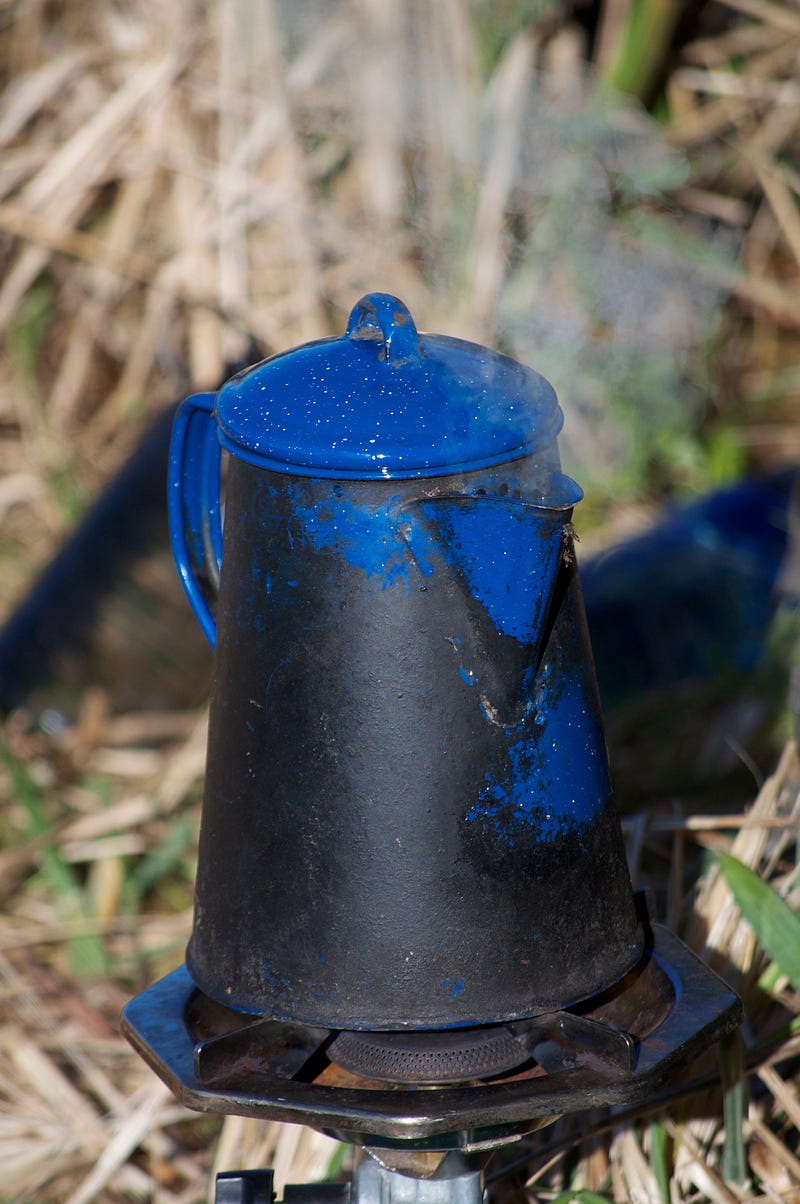
With a gloved hand I moved the large blue enamel coffee pot to the side of the fire, opened the lid and poured in about a half cup of cold water. The additional water likely would not cool the contents near boiling temperature, but would cause coffee grounds floating on the top to sink to the bottom. I set the big pot back on the edge of the fire, waited a couple of minutes, then poured the steaming hot, dark brown elixir of the gods into the early-riser deer hunter’s waiting mug. Steam rose as I poured, carrying with it an aroma I have over many years come to love and crave!
“Mmmmm, nothing like cowboy coffee in hunting camp!” said my companion, after taking his first sip. “It’s gonna be another fabulous day in paradise! I can already tell…” I smiled, then filled my own mug. “I don’t rightly know who boiled the first cup of coffee, or for what reason, but I’m surely glad he or she did.” He hesitated while sipping, “Nothing like that first cup, predawn in camp. Won’t say I can’t live without coffee, but don’t really want to have it any other way, or find out if I can!”
I knew whereof he spoke. Sipping on the strong coffee, I recalled my first recollection of drinking coffee as a mere tyke. I was staying with my maternal grandparents for the night. Before daylight my grandmother got up, put a pot of water on the stove, brought it to boiling, dumped a handful of coffee grounds into the open pot, boiled the coffee grounds for about a minute, then then turned off the burner and let the pot sit for a couple of minutes. Next, she poured a little cold water onto the floating coffee grounds, which settled the grounds to the bottom of the pot. While the ground up coffee beans sank, she poured a coffee cup about a third full of cream, skimmed off the top from yesterday’s milking from their milk cow. Then she added a huge heaped tablespoon of sugar and stirred the two until most of the sugar dissolved. She then filled the cup with freshly brewed coffee and again stirred the combination. Even with all that cream, the color of the dark brew did not change all that much, becoming only slightly paler. Then to cool it, she poured about a quarter of the cup into a saucer. When it cooled to not burning one’s lips, she and my granddad, he from his own cup, drank it out of the saucer. Sitting on their laps, I got to share in their morning’s coffee.
Over the years I have enjoyed coffee in many parts of the world, but always it was best in hunting camps. Some places it was elaborately brewed and served from silver to fine China cups. Other places it was poured from a huge coffee pot into blue-enameled mugs or even Styrofoam cups, which unless you were wearing thick leather gloves was not only too hot to drink, but also too hot to hold in your hand. I have been fortunate to enjoy ‘cowboy coffee’ or a local version thereof throughout Africa, South America, Australia, New Zealand, Europe, Asia and many different climes in North America.
One thing I have learned in my travels is that there are numerous ways to properly prepare cowboy coffee. Years ago I got to spend time in the cowboy camps on Texas’ famed King Ranch, this was back when to be a foreman of the various divisions you had to be born into that position, father passing it on to son. Back then vaqueros moved around to work cattle and stayed in tent camps. Cooking was done on site over open fires with mostly cast-iron pots and pans. Cowboy coffee in these camps was not only so black it had a nearly indigo sheen, too it was almost syrupy, as well as extremely strong and sweet.
I have always been an early riser. I love to see the the world come to light and life. One morning in their cow camp I got before the cook and watched him prepare morning coffee — the first step for the day of cooking and starting the day.
Into a five-gallon blue-enameled coffee pot, he poured about two gallons of water and brought it to a boil over an open fire. At that point he added several handfuls of coffee grounds to the pot and then added an equal number of handfuls of coarse-grained brown sugar, plus crushed egg shells from two eggs. He again brought the mixture to a boil and let the coffee boil for another five minutes, then removed the pot from the fire. A minute later he poured a small glass of cold water into the pot to settle and sink the coffee grounds. He set it near the fire where it would remain warm but not again boil. As the vaqueros approached the early morning, warming camp fire, each poured himself a cup of coffee to begin the day.
I was on the ranch to do some wildlife management work and what I had planned for the day would not begin until mid-morning. So, I stayed in camp and helped the cook wash dishes. When we were about to finish I reached to grab the coffee pot. “No, no…Senor Colorado, you must never wash the coffee pot.” Taken aback a little I set it down, but then opened the lid to look inside. Immediately I understood why he only put two gallons of water into the pot, that was all the big pot would hold. The pot’s inside was encrusted with coffee grounds about three inches thick.
Cowboy coffee, according to worldly coffee critics, is coffee made/brewed by adding coffee grounds to boiled water, without housing the grinds in any kind of apparatus that might somehow keep the grounds contained and from dissipating throughout.
Having enjoyed and appreciated this particular style of brewing coffee, I have found a somewhat universal recipe, if you will. But I realize there are many different recipes or versions.
In an open pot, or coffee pot without any means to house the grounds, add water and bring it to a rolling boil. Remove the pot from the fire or heat source for 30 seconds to drop the water temperature to 200°F. According to coffee aficionados, that is the best temperature at which to brew coffee. Add two tablespoons of coffee grounds for every eight ounces of water in the pot. Stir to disperse the grounds throughout the pot. Here too, some suggest adding a small amount of crushed egg shells. This according to those who do such, say it helps to neutralize acids found in coffee but also adds calcium and phosphorous to the brew, making the coffee ever more of a healthy beverage.
After stirring the mixture, let the pot sit for another two minutes, then stir the contents once again. Then let the pot sit for another two minutes.
After four minutes of allowing the coffee to brew, pour one-half cup of cold water on the floating grounds, to encourage the grounds to sink to the bottom of the pot. If only very few cups of coffee are to be brewed, use less water so as not to cause the finished product to be too cool.
Next step, although not the final step, is to pour the brewed coffee into a coffee cup. Do so slowly to prevent grounds from getting into the cup. The final step is sip the finest coffee that could possibly be prepared anywhere or by any other method. And, if you do not believe me, stop by my hunting camp and I will do my best to prove I know whereof I speak!