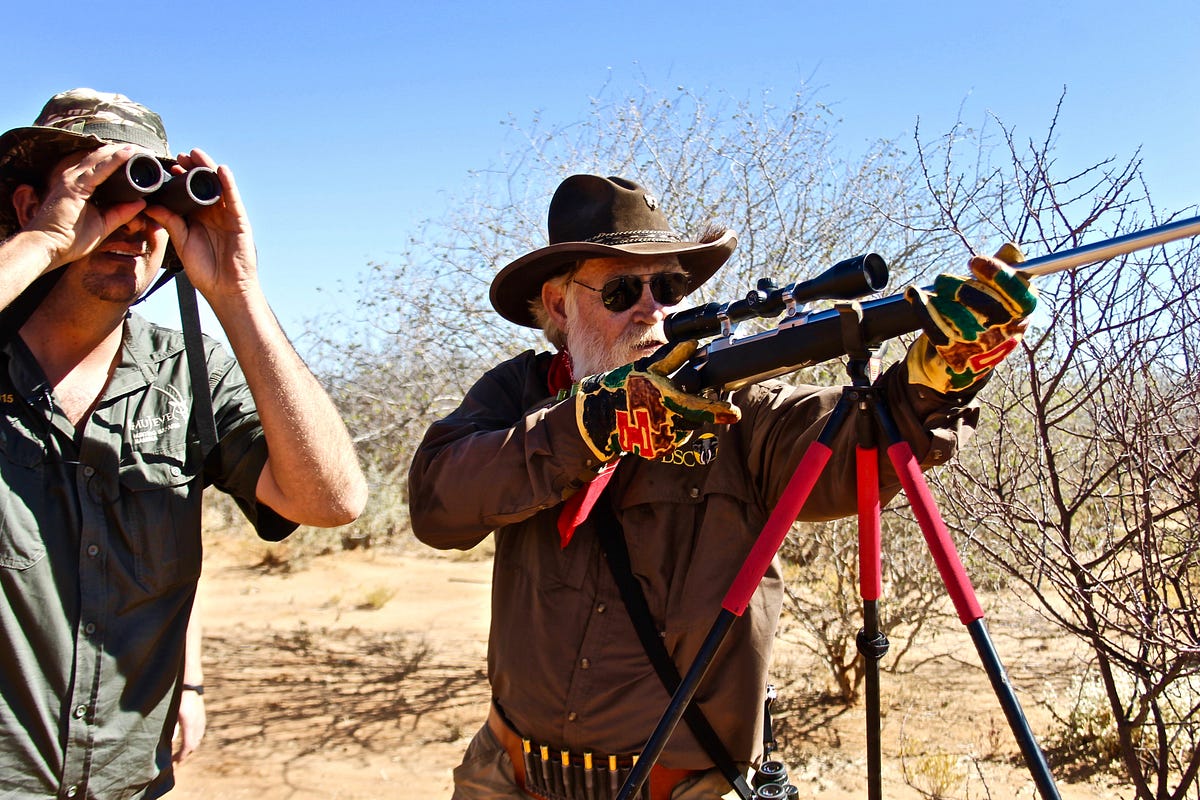
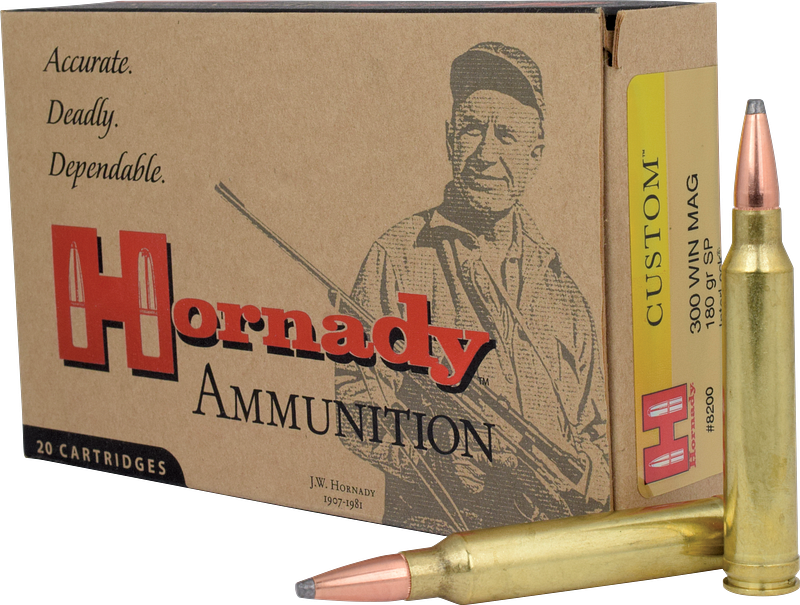
“They’re gone. No need to follow, they’ll cross at least two ridges before they slow down. We might as well head back to the Rover and go hunt another area,” said my PH, Corne Kruger. As we turned to walk the mile back to where we had left the vehicle I opened the bolt of my Ruger 77 and extracted the 300 Win Mag Hornady 180 gr SP round and placed it into the cartridge belt around my waist.
“Did you see the ruff he had on his forehead?” continued Corne. Before I could respond, “Obviously he’s an old mature bull. Will probably weigh close to a ton.” Then smiling he turned and said, “Glad you’re shooting my 300 Win Mag instead of that 30–06 you had with you last time we hunted eland.”
Corne’s comments indeed reminded me of an eland hunt a couple of years earlier with his Omujeve Safaris in the distantly remote Omthandeka region of northwestern Namibia. On that trip I carried the then recently introduced Ruger American chambered in 30–06.
After dropping mountain zebra and wildebeest in their tracks with my 30–06 shooting Hornady ammo, we encountered a monstrous and ancient eland bull near a waterhole. We had driven to the area in search of greater kudu, in hopes of taking a bull which one of the local Himba herdsman had told Corne about.
Rounding a bend, we spotted three eland, two cows and a big bodied, long-horned bull. The eland started running as soon as we stopped the vehicle. I bailed out, rifle in hand, bolted in a round, got on sticks and waited as Corne evaluated the bull. “Shoot, when he stops or slows down.”
The bull slowed, and I shot. I had hit him a bit farther back than I intended, as the huge bodied bull was moving a bit faster than I anticipated.
Quickly I bolted in another round, but the bull ran faster. He turned to go around the hill, so I shot him a second time as he quartered away.
I heard my bullet strike solidly, then he was gone. Both Corne and I followed as fast as we could over the broken boulder slope. Nearly a mile later, I put another round into him. This time, I felt assured my bullet had gone into his vitals, but it did not put the bull down, however it slowed him considerably. A minute later the bull laid down and I was able to slip in closer and finish him.
In remembering that hunt, both rifle and bullet had done what they were supposed to do. I had failed in proper bullet placement, but lesson learned.
On this safari, I had initially planned to hunt eland with my M77 Ruger Guide Rifle chambered in 375 Ruger, as I had done on my first hunt for eland with Corne years earlier. Back then I had shot a huge bull, essentially dropping him in his tracks with a 270 gr Hornady SP. However one of Corne’s clients had arrived to hunt hippos and his rifle had been lost somewhere in transit from the States. Corne asked if I minded letting that hunter use my 375 Ruger and in turn he would let me hunt with his personal Ruger M77 in 300 Win Mag, complete with a suppressor while we pursued primarily eland. Sounded like a reasonable plan to me and I was happy to oblige.
At the time of my most recent eland hunt, Namibia was in the throes of a very severe drought, very little ground vegetation remained. This, while devastating to the animals and the habitat, made conditions ideal for tracking.
Dust-filled skies made for spectacular golden-orange sunrises and sunsets. I was anticipating another such treat with a pre-dawn morning cup of hot coffee, when Corne announced we were headed to the opposite side of the property. “Grab your gear and rifle to spend the day. We leave in 10 minutes.”
I was seated on the back of the Rover when Corne walked out of the lodge. “We’re headed to the far east side of the property. If we see a big kudu, we’ll go after him, but our primary goal for the day will be eland. If we do not spot any on the way, I want to cast around the remaining waterholes in the area, pick up the track of a big bull eland and follow it until we find him or run out of daylight. Are you up for such a hunt?” I nodded, liking how my PH thought.
On our way east we saw numerous different species, including a really nice kudu which we estimated to be about 54-inches in length. Had I not in years past taken numerous kudu bulls of equal and longer horn length, I would have been sorely tempted.
A short time later we stopped a half mile shy of a waterhole. We wanted to walk the rest of the way. “Put one in the chamber in case we see an eland,” instructed Corne. I obeyed.
We did not see any eland at the waterhole, but did see four herds of impala, approaching 20 waterbuck, three kudu bulls and 10 cows and a herd of blue wildebeest. We sat down next to a thorn tree where we could watch. “We’ll stay here for about 30 minutes, and if we don’t see any eland, we will go to water’s edge and look for tracks. If we do find eland tracks, we will follow in the hope they have not gone too far.”
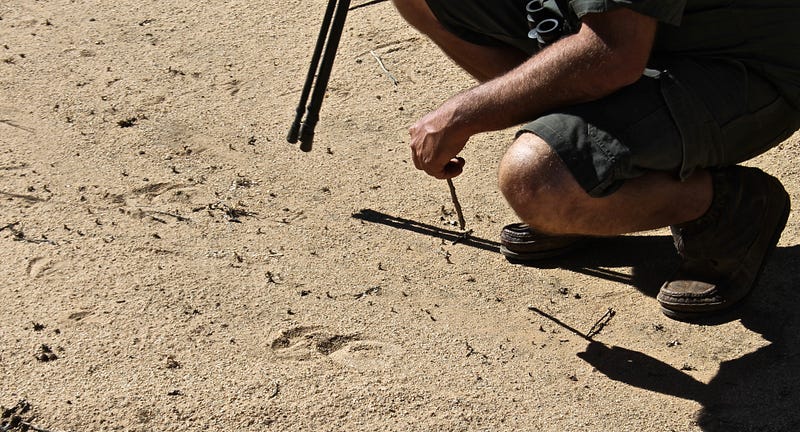
20 minutes later we, having seen more animals but not any eland, walked to water’s edge and soon picked up the tracks of what our tracker proclaimed to be eight cows and two bull eland, one according to him was an extremely old bull, the other a bit younger.
The tracks led toward the rocky hills of the east, so we followed. We had been on eland spoor about 30 minutes when the tracker stopped abruptly, held up his hand and pointed to an opening just ahead of us. There stood an enormous elephant in our path. “Don’t move!” cautioned my PH. I became a statue. Thankfully the breeze blew from it to us. Moments later more elephants appeared, cows with calves. A couple of minutes later, they moved toward our right, in route to water.
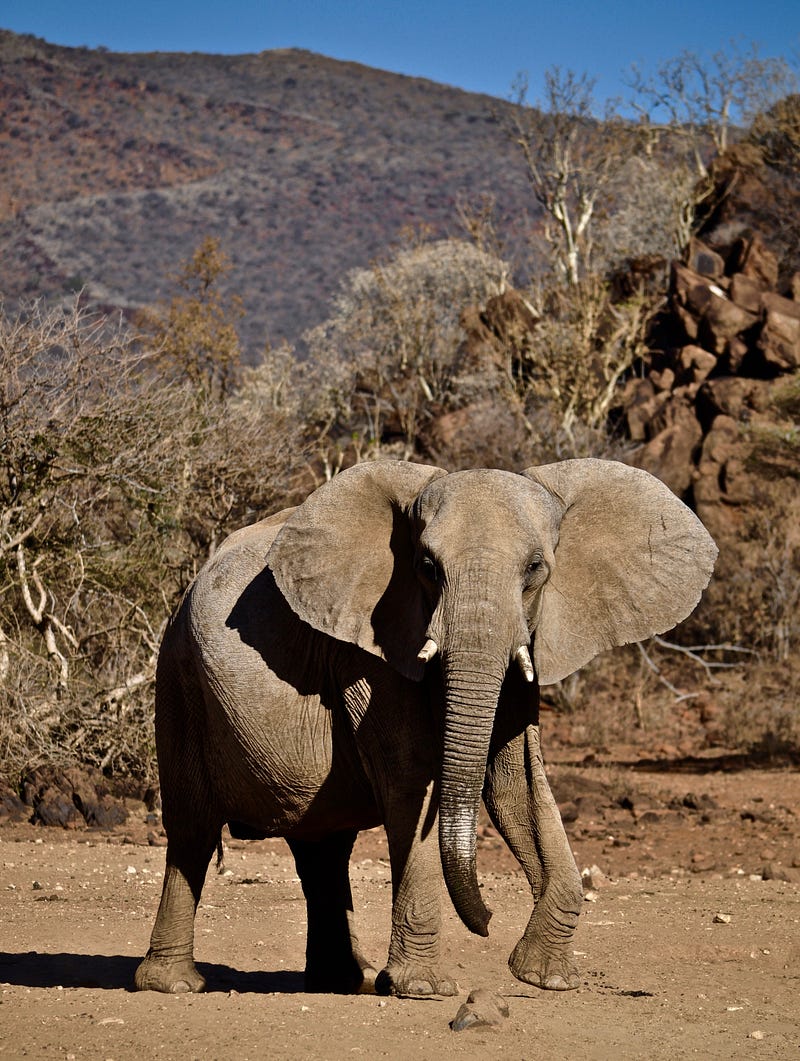
“I don’t know if you noticed, but the elephants in this are huge when compared to others found in Africa. These are the desert subspecies. I wish one of them had been an old bull so you could see the size of their tusks. Bulls here tend to develop extremely massive tusks, which seldom are very long. The circumferences of their tusks are much bigger than those of others. What would normally appear to be a 50-pounder will easily approach 100 pounds.”
Once the elephants moved away we continued following the tracks. We had likely walked two miles when the eland slowed down and started feeding. I knew feeding eland move at a rapid pace.
I was looking at tracks, but also scanning our surroundings hoping to spot the eland before they saw us. We had just crossed a dry creek bed when I noticed a snake drag crossing the path, obviously very recently. I looked towards Corne to question him what snake it was. He softly said, “Mamba!” Oh good, first elephants and now one of the most venomous snakes in the world somewhere ahead, Corne simply smiled.
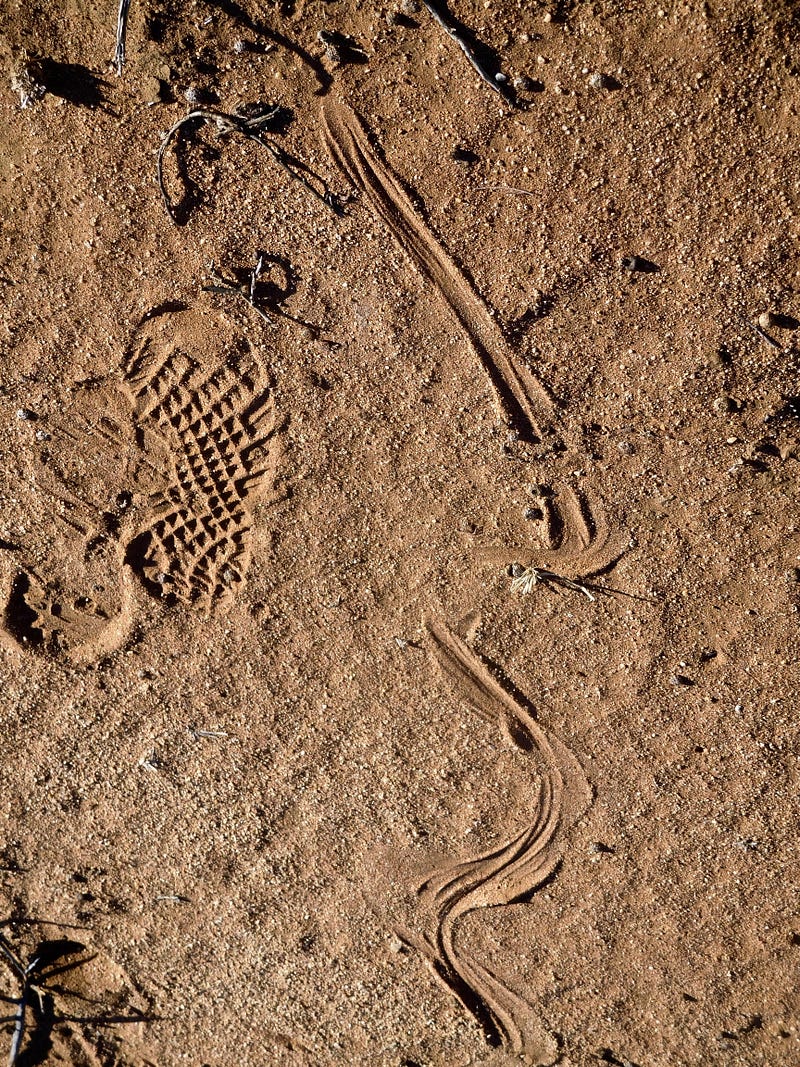
200 yards farther and we spotted an eland cow feeding just ahead of us. Slowly we moved forward and spotted three more cows and off to our left about 100 yards away, a bull. Thankfully they were not aware of our presence. Corne cautioned to bend low and follow.
Pulling me to his side, my PH whispered, “The bull we saw is the smaller of the two, not the one we want. We’ll have to be really careful not to shoot the wrong bull.” I nodded. We continued to follow the herd.
10 minutes later, to our left we spotted both bulls, the older one a few steps behind the younger. He was huge of body, easily four to six inches taller at the shoulder, heavier of horn, one side slightly shorter. Unfortunately before we could set up the sticks he walked behind a screening of thorns.

Cautiously we followed and 300 more yards into the walk, the bigger bull moved to the left which should put him where I might get a shot. Up went the sticks and I moved behind them and got ready for a shot. “75 yards, if you get a chance shoot him.”
The bull stepped into the clear, slightly quartering away, providing an ideal shot into his vitals. Safety to fire, release all breath as taught on the FTW Ranch’s S.A.A.M. (Sportsman All-Weather, All Terrain Marksmanship), crosshairs locked on the exact spot to place the bullet, squeeze…squeeze…squeeze! At the shot, the bull bucked and kicked high with his hind legs, immediately I reloaded and sent a second shot into the bull, trying to hit him about six-inches from the first shot to create a second, substantial wound channel.
Before I could shoot him a third time, the bull disappeared behind a screening of brush, ran about 20 steps and fell. I moved quickly to my right for a clear shot if the bull so much as moved a muscle but he did not move again.
Up close I was once again amazed by the over all size of eland. I saw Corne’s extended hand of congratulations coming my way and grabbed it, “We did it again Mister Wysoon!” Indeed, we had.
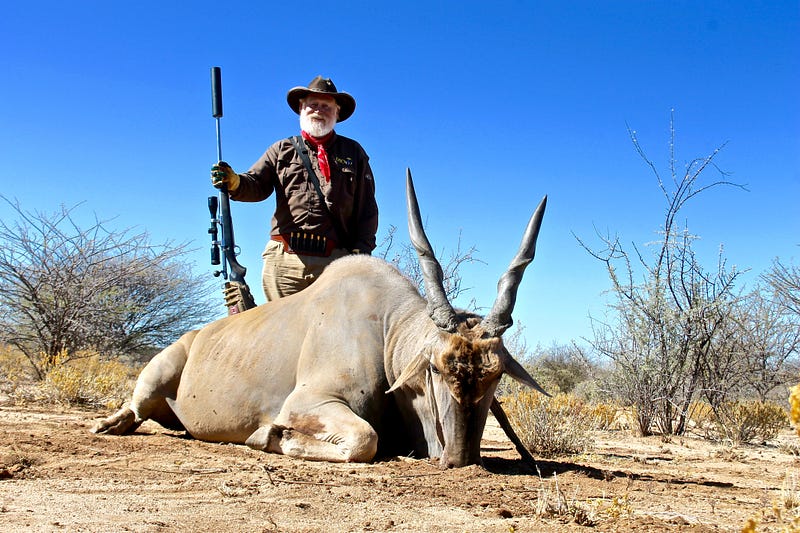
Photo credit: Larry Weishuhn Outdoors